Why emotional regulation and body awareness are essential foundations for cognitive change Assertiveness and self-confidence are often seen as traits we can simply “learn” or “train.” We read books, repeat affirmations, rehearse conversations, and tell ourselves to...

Month: January 2026
How Your Body Shapes the Way You Show Up
Inspired by Stephen Porges, explained simply for everyday life We often assume that how we behave in challenging moments—speaking up, expressing ourselves, setting boundaries—comes down to confidence or mindset. But much of it actually depends on something more basic:...
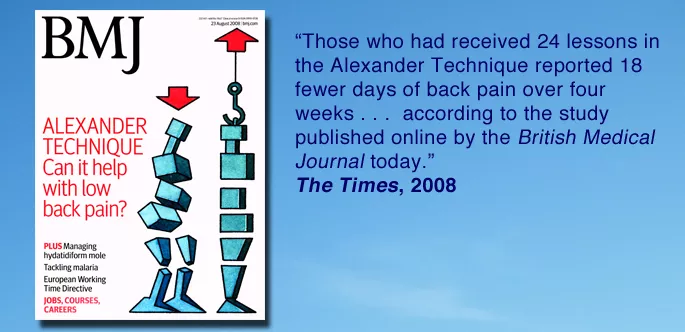
How the Alexander Technique Helps with Chronic Back and Neck Pain
According to the National Institutes of Health (NIH) 45.7% of people experience neck pain within a year, and 15.5% suffer from chronic back pain. About 40% of people who suffer from spinal pain find it disabling according to ResearchGate. Worldwide, 203 million people...
Why the Alexander Technique Is Recommended for People with Postural Pain
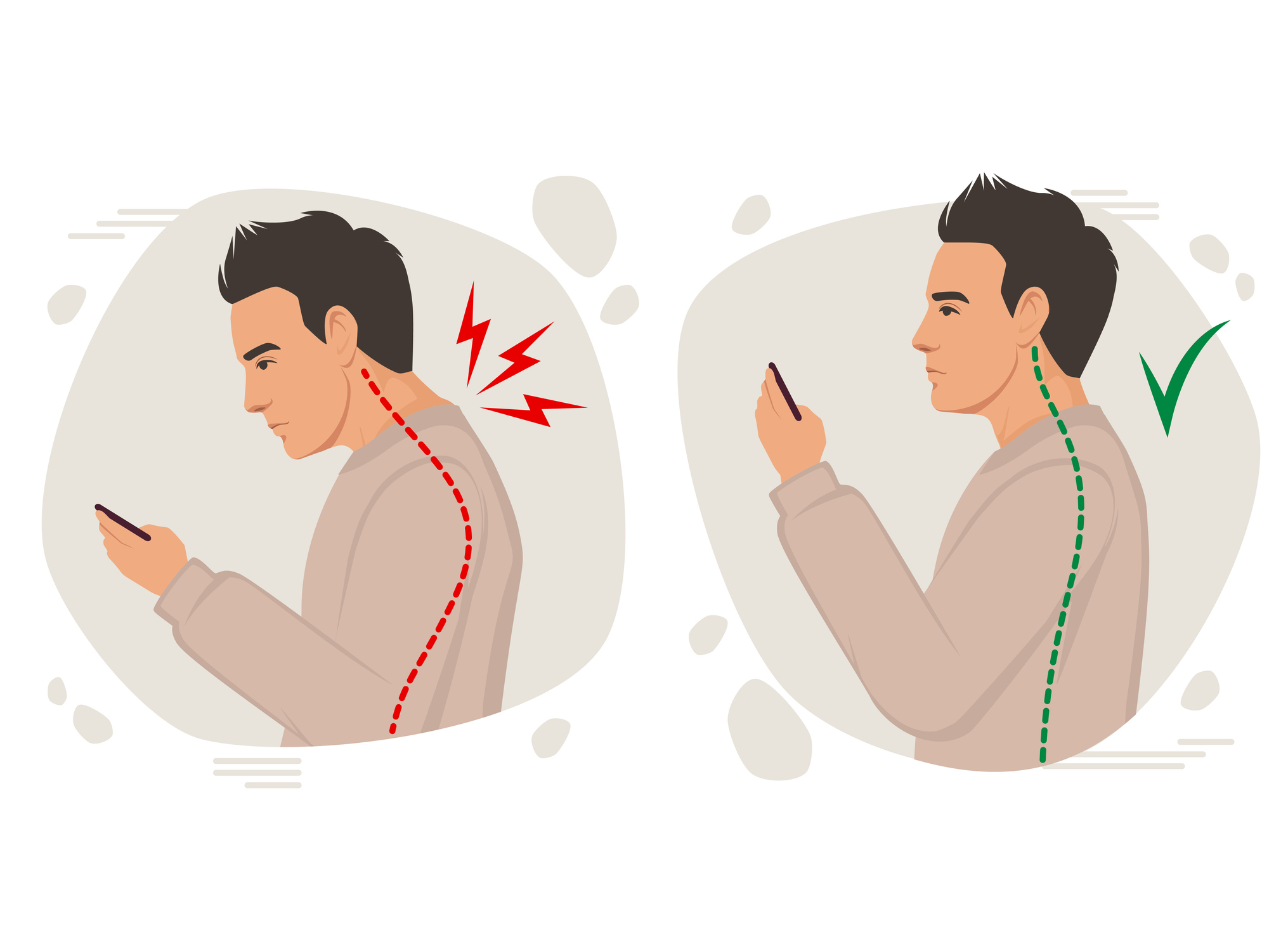
The Alexander Technique is often recommended for people suffering from postural pain because it addresses the root causes of discomfort, rather than just the symptoms. Here’s why it can be especially effective: Improves Body Awareness: Many people with postural pain...
How to Deal with Anxiety and Negative Thinking About Future Events
Anxiety often stems from a fear of the unknown. Something might happen — something we can't fully control or predict — and this uncertainty triggers a feeling of danger. Our instinctive response becomes: “If I can’t control or predict it, I’m at risk. I must fix it or...
Rebuilding Confidence and Assertiveness Through Somatic & Cognitive Therapy: A Polyvagal-Informed Perspective
For many young professionals today, confidence doesn’t come from a lack of talent or ability — it’s shaped by the state of the nervous system. You can know exactly what you want to say in a meeting and still freeze. You can have strong ideas but hold back out of fear...