
Blog

Signs of Burnout at Work: What Your Body and Mind Are Trying to Tell You
The signs of burnout at work often show up in the body first: a tight jaw in meetings, a commute that no longer helps. Here is what to look for.

Feeling Overwhelmed at Work? Why It Happens and How Therapy Can Help
Overwhelmed at work and freezing or racing? Why feeling overwhelmed at work shuts down clear thinking, and how therapy for mind and body can help.

Burnout Recovery: What the Process Actually Looks Like
Burnout recovery is rarely just rest. A therapist explains the stages, honest timelines, setbacks and returning to work, and how to recover from burnout.

Am I Burnt Out or Just Tired? How to Tell the Difference
Am I burnt out or just tired? A therapist’s self-check, not a scored burnout quiz, to tell burnout apart from tiredness, stress and low mood.

Burnout Symptoms: How to Know When You’re Burnt Out (and What to Do Next)
Burnout symptoms are often there long before you admit something is wrong. This post covers what burnout actually is, how it shows up across body and mind, why it is so easy to miss, and what actually helps rather than what simply buys you a few more weeks.

What Is Somatic Therapy? How It Differs From Talk Therapy
Somatic therapy works with the body. Talk therapy works with the mind. Most people need both. You have probably had the experience of understanding a problem completely and still not being able to shift it. You know why you go quiet in meetings. You can trace the...

Therapy for Perfectionism: Why Trying to Be Perfect Is Holding You Back
Perfectionism rarely feels like a problem. That is part of what makes it so difficult to address. You set high standards. You care about doing things well. You notice details other people miss. From the outside, these can look like strengths, and in some ways they...

How to Stop People Pleasing: Why You Do It and How Therapy Helps
People pleasing often looks like kindness. From the inside, it rarely feels that way. You agree to something you do not want to do. You soften your opinion before it reaches your mouth. You find yourself watching someone else's face, scanning for signs that they are...

Work Anxiety: Why It Keeps Building (And What Actually Helps)
Why managing work anxiety with tips and techniques often isn't enough, and what changes when you work with the pattern underneath Most people know what it feels like to be anxious about work. The Sunday evening that goes from quiet to quietly dreadful. The meeting you...

CBT for Workplace Stress and Burnout: What It Is, What It Does, and What to Expect
Most people do not notice burnout arriving. It tends to creep in gradually: a little more fatigue at the end of each week, a little less patience, a growing sense that no matter how much you do, it is never quite enough. By the time the exhaustion becomes impossible...
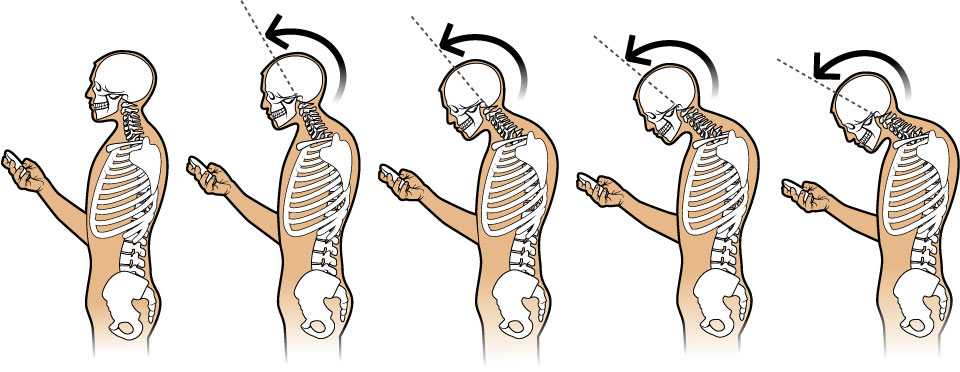
What Is the Alexander Technique? A Plain-English Guide
If you've heard of the Alexander Technique, there's a reasonable chance you associate it with actors, musicians, or people with bad backs. That's understandable: those are the circles it's most often discussed in. But I came to the Alexander Technique for a different...

Therapy for Self-Doubt: Why Knowing You’re Capable Isn’t Always Enough
Why self-doubt persists even when the evidence says otherwise, and how CBT and somatic therapy can help You know you are capable. You have the track record, the qualifications, the experience. Other people seem to see it clearly. And yet, when a meeting is coming up,...
Somatic Therapy for Confidence: Why Your Body Holds the Key to Showing Up Fully
When confidence feels out of reach, most people look to their thoughts. They tell themselves to think more positively, to stop catastrophising, to remind themselves of past successes. Sometimes this helps. But for many people, confidence does not feel like a thought...
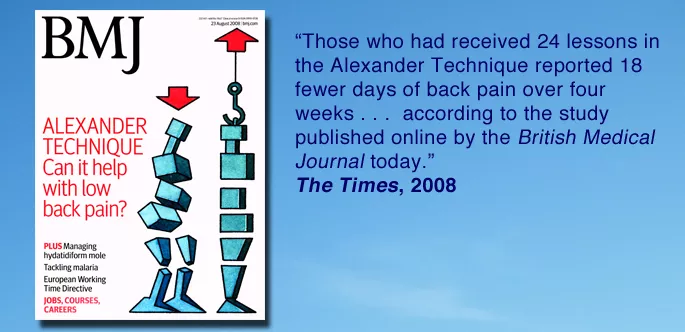
How Postural Habits Connect to Stress and Anxiety
Most people who come to therapy carrying stress or anxiety also mention something else: a tight neck, a back that aches by mid-afternoon, shoulders that sit somewhere around their ears by the end of the working day. They tend to think of these as separate problems....

How to Manage Anxiety About the Future
Anxiety often stems from a fear of the unknown. Something might happen, something we can't fully control or predict, and this uncertainty triggers a feeling of danger. Our instinctive response becomes: “If I can’t control or predict it, I’m at risk. I must fix it or...
How to Be More Assertive When Anxiety Is Holding You Back
For many young professionals today, confidence doesn’t come from a lack of talent or ability. It’s shaped by the state of the nervous system. You can know exactly what you want to say in a meeting and still freeze. You can have strong ideas but hold back out of fear...